
Compliance Automation
The Myth of Self-Driving Compliance
Part 1: Why Automation Isn't Self-Driving
Published
Feb 20, 2025
Reading Time
12 min
Author
AskDegree Team
Part 1: Why Automation Isn't Self-Driving
Published
Feb 20, 2025
Reading Time
12 min
Author
AskDegree Team
Compliance automation tools are powerful and we're big fans of them. But many teams discover, often under time pressure, that automation isn't self-driving. This series is for leaders evaluating compliance platforms or those who've already purchased one and are now feeling overwhelmed. We'll walk through what these tools do well, where human judgment is still essential, and how to regain momentum without frustration or rework.
We break down what modern compliance tools do well, where they fall short, and how to use them effectively without losing momentum or control.
We are fans of compliance automation. We are fans of AI. And when applied correctly, these tools absolutely help organizations build stronger defenses against risk.
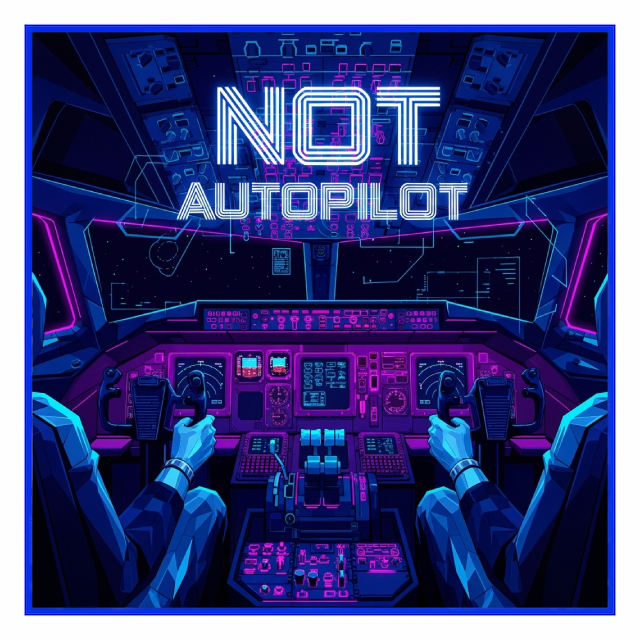
Compliance automation is not self-driving. A better analogy is a 747. A 747 is highly advanced. It can automate much of the journey. But it still requires skilled pilots—because the moments that matter most demand judgment, context, and experience. Compliance works the same way.
We often see teams invest in a compliance platform with a time-sensitive objective on the line such as a pending sale, a game changing partnership, or a fastly approaching due diligence deadline from a key customer. Expectations are high. Momentum feels imminent.
The tool didn't fail. The assumption was wrong. Automation didn't eliminate the need for expertise. It revealed where expertise was required.
Compliance controls must fit the business they're designed to protect. Adopting generic policies that don't align with how your company actually operates creates risk, and bloated processes not safety.
This first article establishes a core truth: tools have limits like plans need pilots. In the next article, we'll go deeper into why compliance itself is not a checklist and why interpretation, not documentation, is often the difference between "audit-ready" and actually secure.
AskDegree helps organizations implement compliance automation effectively, combining powerful tools with expert guidance to achieve real results.
Schedule a Discovery Call